


Banned, Challenged, or Censored! But why!?
Comics and graphic novels have the power to expand readers’ imagination beyond conventional thinking. So, should this medium be embraced without restrictions? Maybe yes, or maybe no, but comics and graphic novels are no strangers to controversy among the masses. Just like their novel cousins, they can also contain content that sparks controversy and divides public opinion.
Over the years, several acclaimed graphic novels have faced bans, challenges, or censorship for different reasons. Let’s take a look at some of the most notable examples the comicverse spawned over the years:
1. Persepolis (2000):
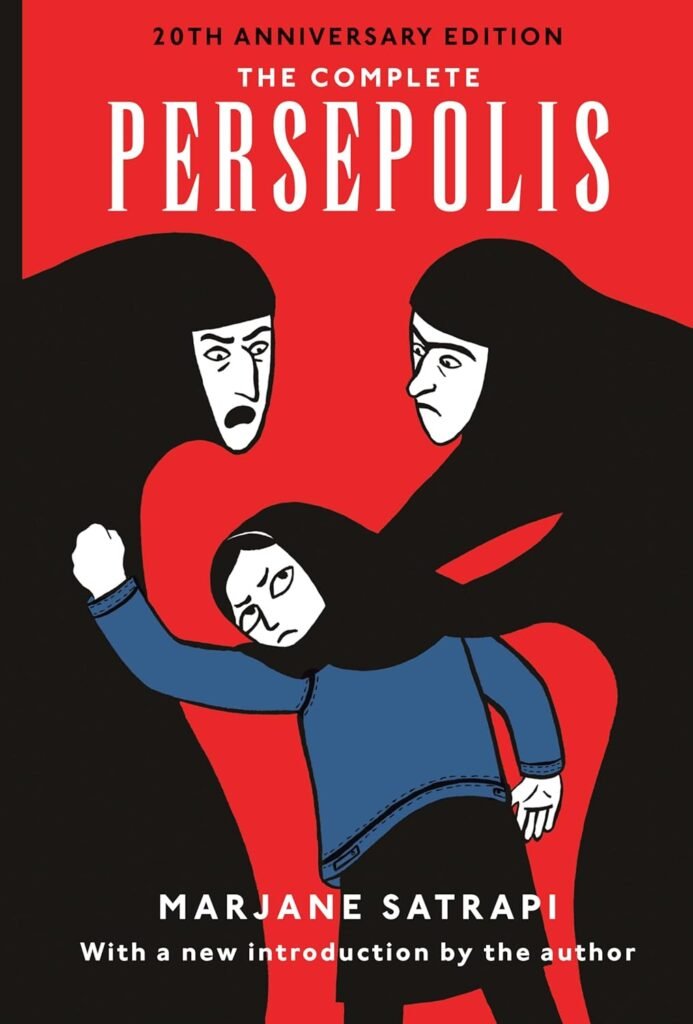
A collection of two books by Marjane Satrapi. This graphic memoir was published in French between 2000 and 2003. It was published first by Jonathan Cape. Persepolis was removed from several school curricula, or restricted, rather than outright banned, with officials citing that it contained too many graphic depictions of torture and political violence during the Iranian Revolution. Albeit it was later restored, an age restriction was imposed on it.
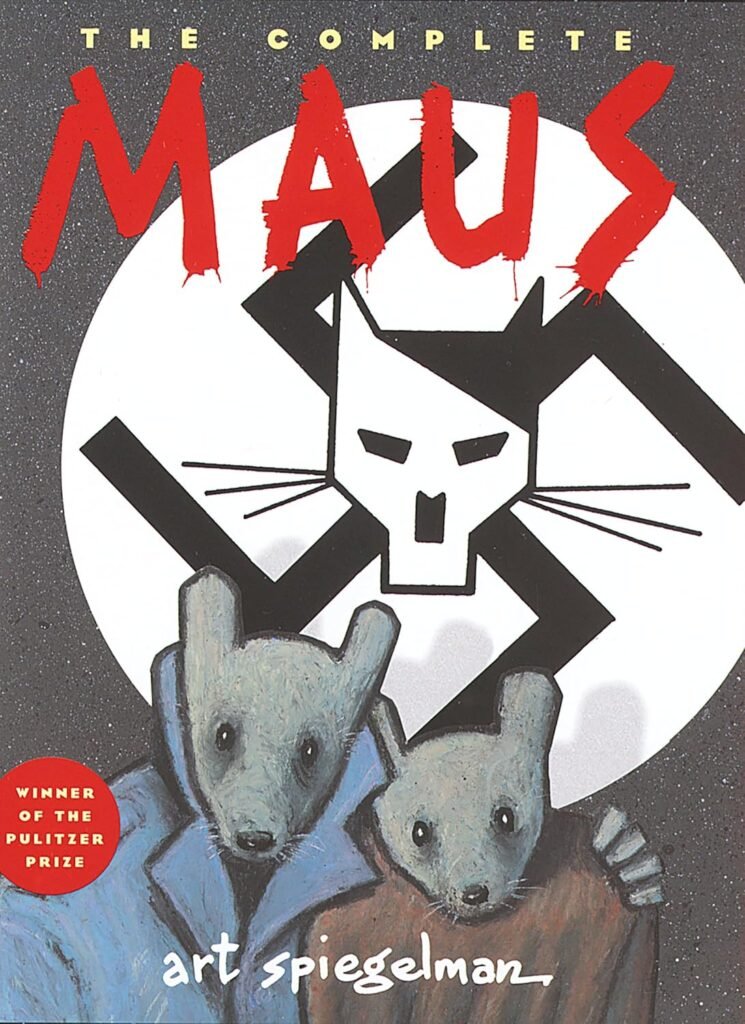
2. Maus (1986):
A collection of two books by Art Spiegelman and Françoise Mouly. Book editions were released by Pantheon Books. Maus was removed from certain school curricula in many places as it had profanity, brief nudity, and Holocaust depictions. This sparked worldwide debate over censorship in education.
3. Saga (2012):
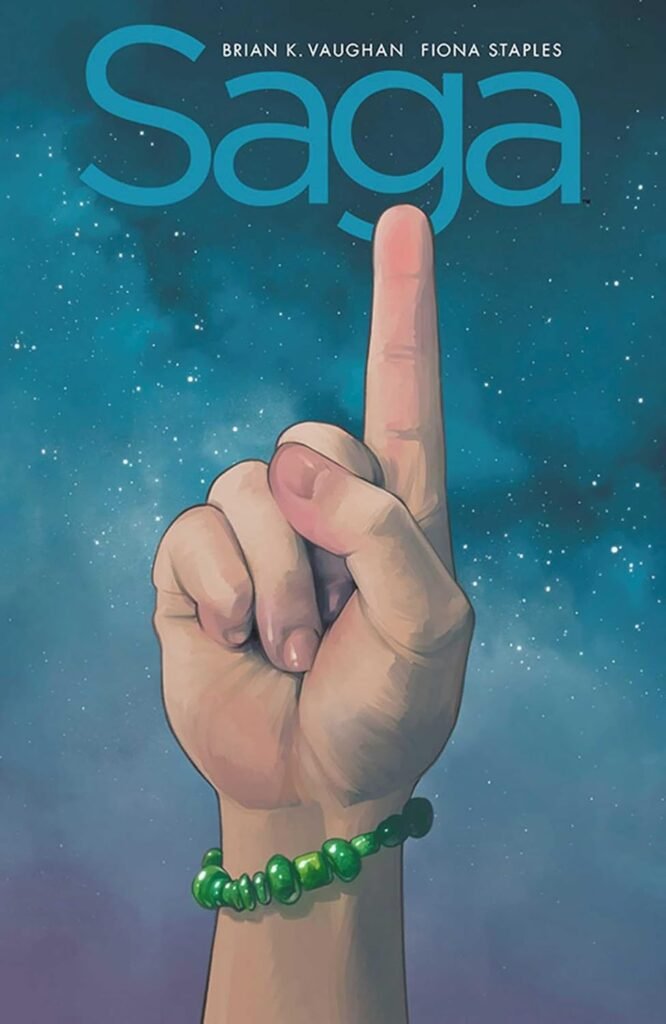
A comic series (estimated to run for 18 volumes, currently on hiatus, with 12 volumes released) by Brian K. Vaughan & Fiona Staples, published by Image Comics. Saga contains explicit sexual content, nudity, graphic violence, and mature language. Coz of these, even Apple initially refused to distribute it through its iOS Comics App.
4. Watchmen (1986):
A 12-issue series by Alan Moore and Dave Gibbons, published by DC Comics. Watchmen was frequently challenged at various places because of its graphic violence, nudity, sexual content, and mature political themes.
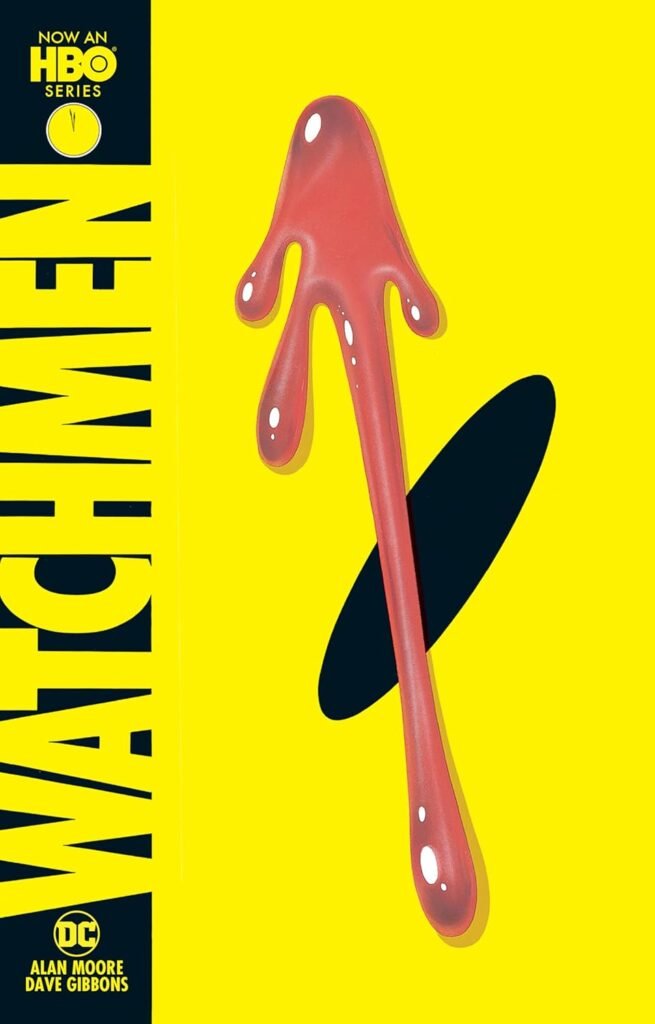
5. V For Vendetta (1982):
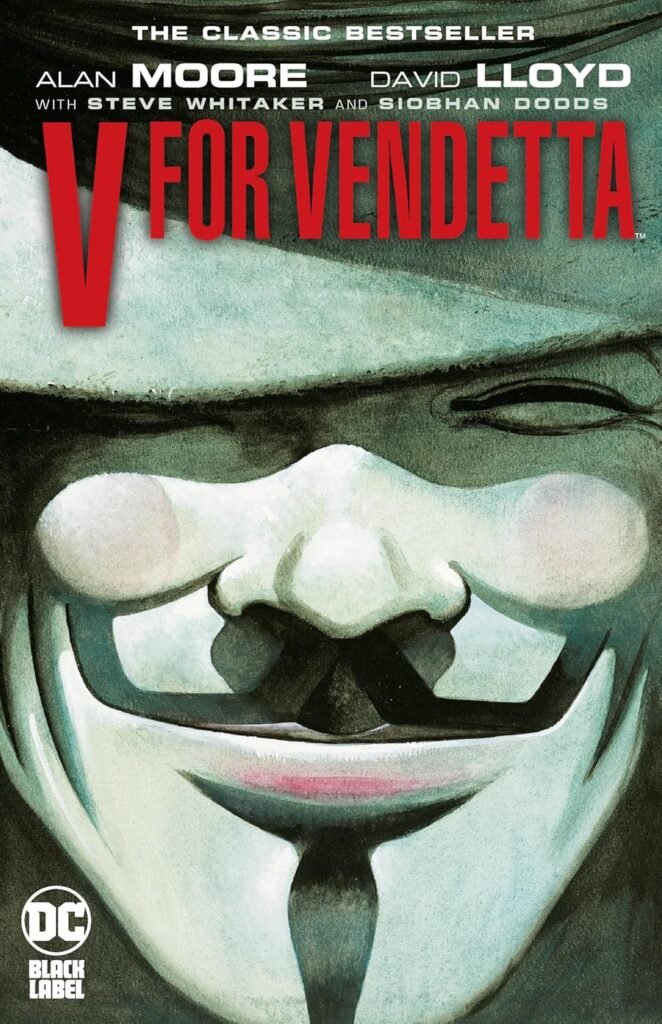
A 10-issue series by Alan Moore and David Lloyd. Collected and published later by DC Comics. V for Vendetta was often challenged at many places due to its political themes, depictions of terrorism, violence, and mature content.
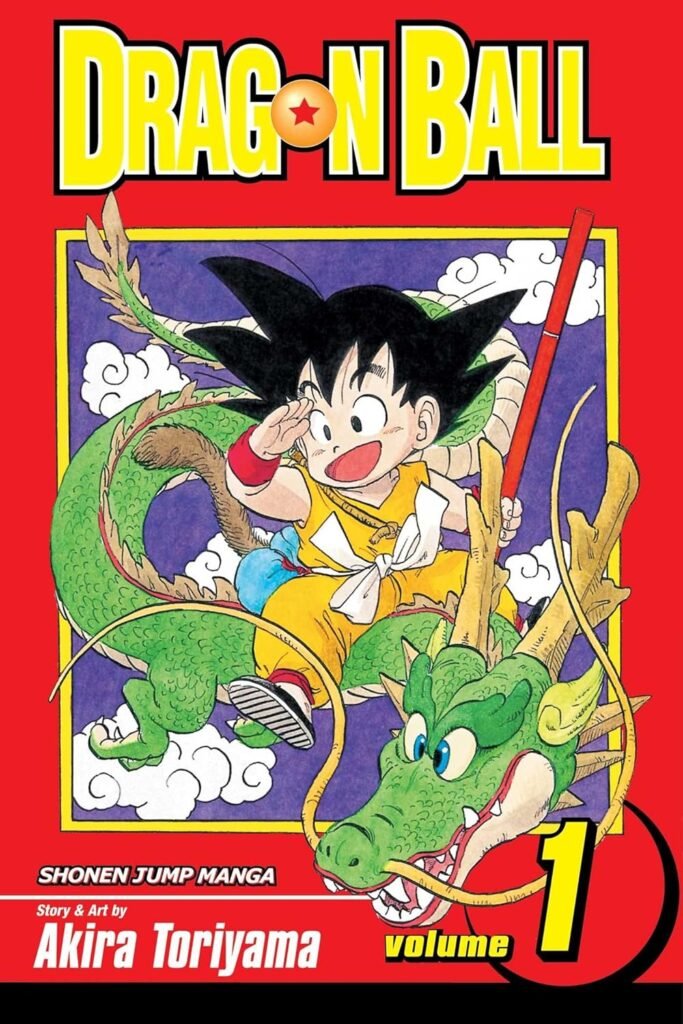
6. Dragon Ball (1984):
The world-famous manga series by Akira Toriyama is also removed from many school libraries. Dragon Ball was first published by Shueisha. The reason is nudity, sexual humor, and violence that officials considered inappropriate for kids.
7. Blankets (2003):
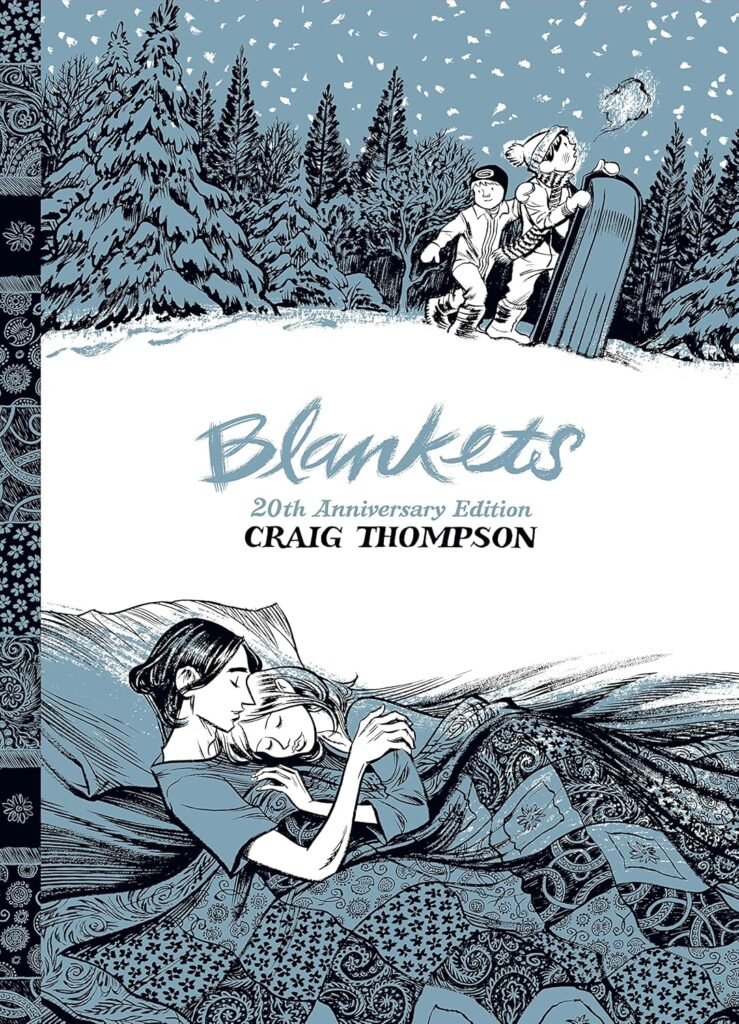
A memoir by Craig Thompson. Published by Top Shelf Productions. Blankets was regarded as a landmark of literary comics and autobiographical graphic novels, but was still withdrawn or banned from various places due to its sexual content, religious criticism, and mature coming-of-age themes. It is frequently challenged.
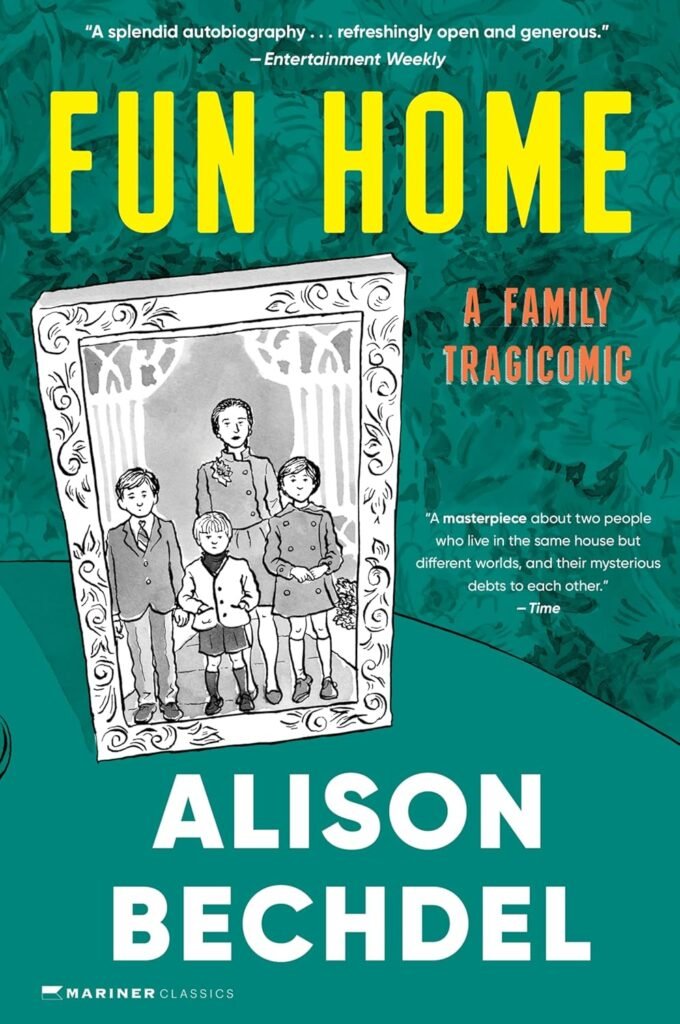
8. Fun Home (2006):
A family tragicomic by Alison Bechdel, published by Houghton Mifflin. Fun Home faced issues regarding LGBTQ+ themes and sexually explicit content.
9. Batman: Damned (2018):
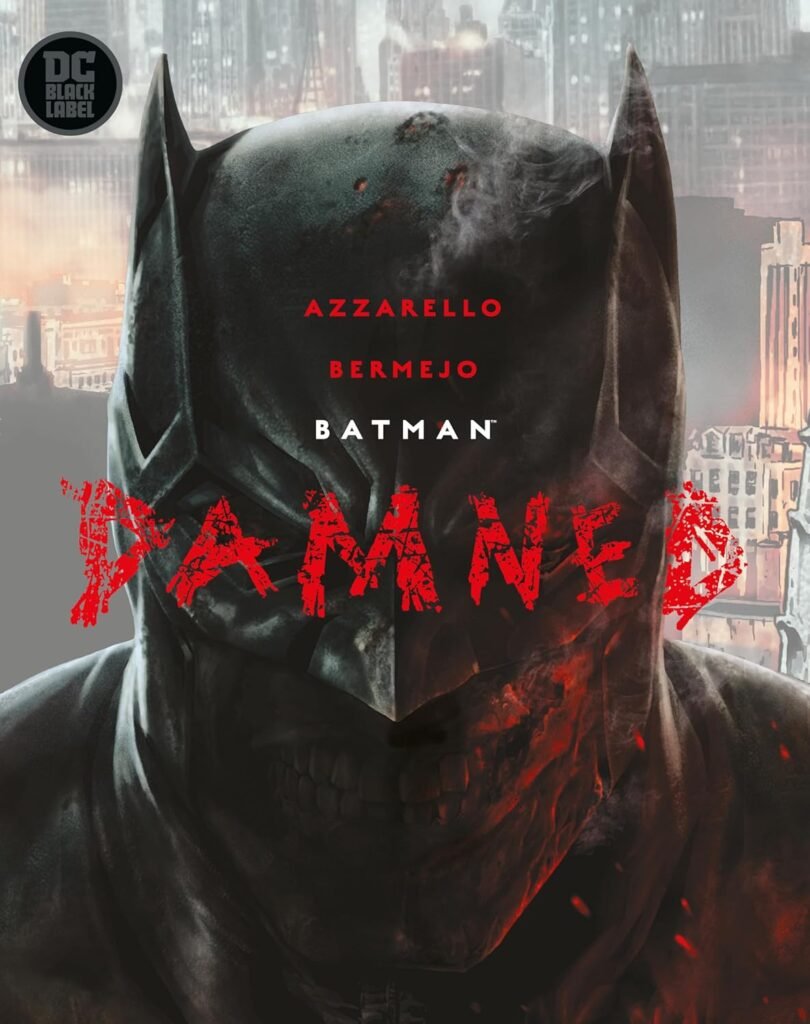
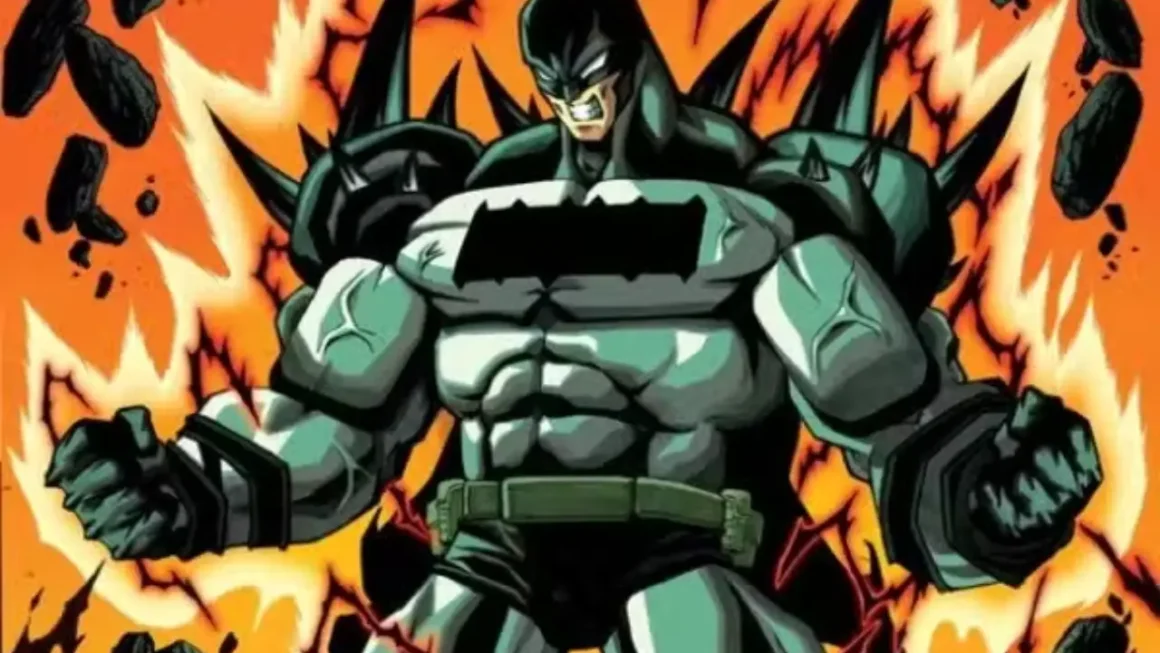
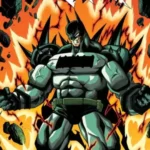
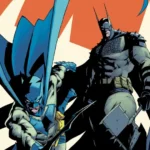
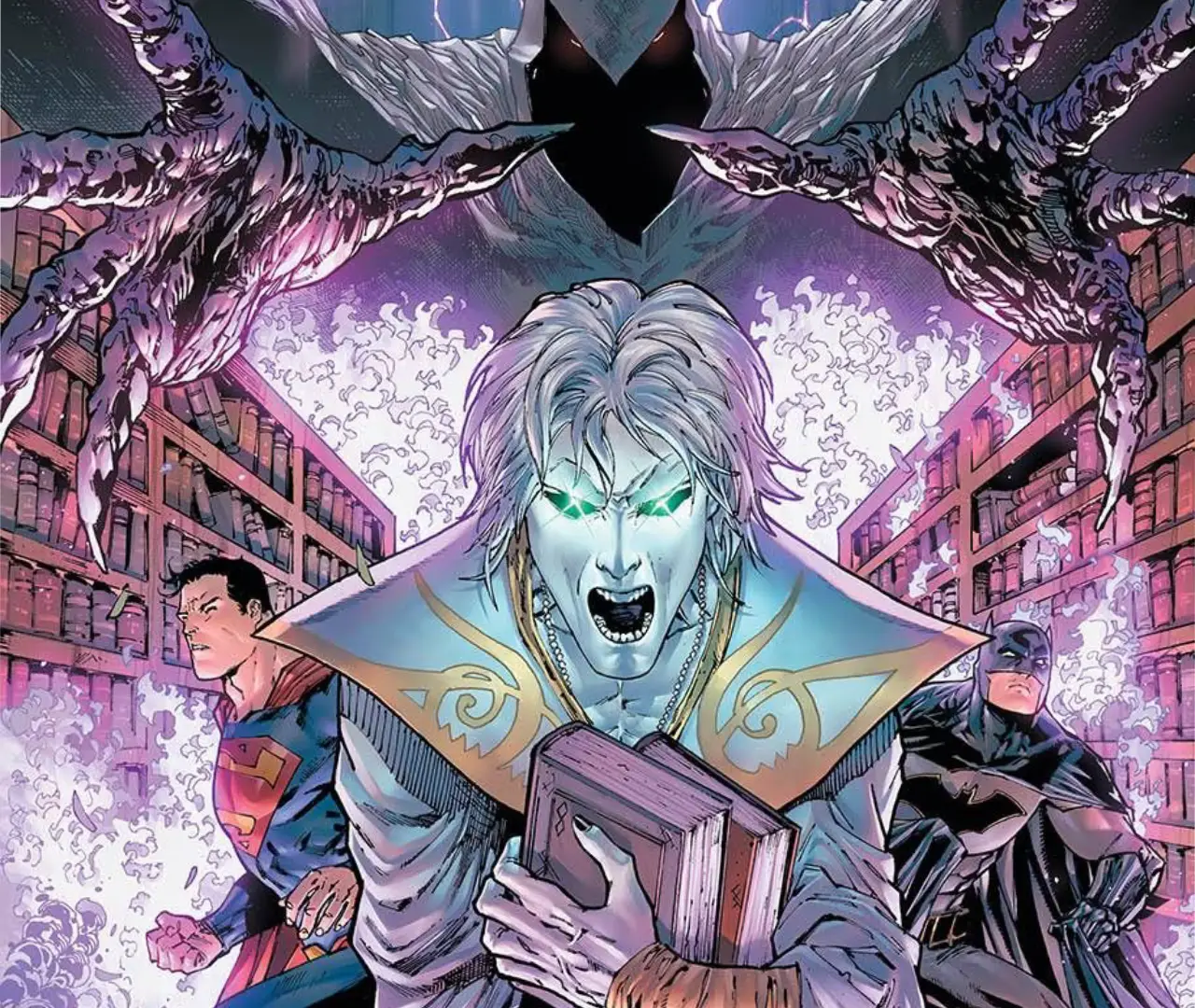
DC Comics’ Batman: Damned is a three-issue limited series by Brian Azzarello and Lee Bermejo. It is one of the DC books tagged as a DC Black Label graphic novel. Following its first printing, DC itself censored it worldwide as it included uncensored artwork. DC revised subsequent editions, and now they are easily available.
Are these books banned or removed for good!? Some do, but some don’t. That’s quite debatable, as critics, including some of us, think no books should be banned just coz they speak the truth which others refrain from. Yeah, some may contain material unsuitable for certain audiences, but they confront difficult truths that society shouldn’t/can’t ignore. Graphic novels or comics often tackle history, politics, identity, and violence through a visual medium that can leave a lasting impact, and restricting access may limit exposure, but it rarely erases the ideas themselves.
Through their powerful visual storytelling ways, graphic novels and comics strengthen the claims and show the hidden reality, making the incident more impactful. Ultimately, it depends on how society is ready to hide or confront the harsh realities.
Aforementioned, banning a graphic novel or a book will never kill the idea, unless you’re ready to face them. Every generation must know the hardships faced by other generations to build a better tomorrow. Otherwise, we risk lying to ourselves that ignorance is bliss, but for how long?!
In lieu of banning books, encouraging thoughtful discussion and age-appropriate guidance can help readers understand challenging themes, develop reformed perspectives, and stray away from repeating the grave mistakes of others.
Pic Credits: Penguin UK/Jonathan Cape/Image/Boom/Viz Media/Houghton Mifflin/Top Shelf/Pantheon Books